
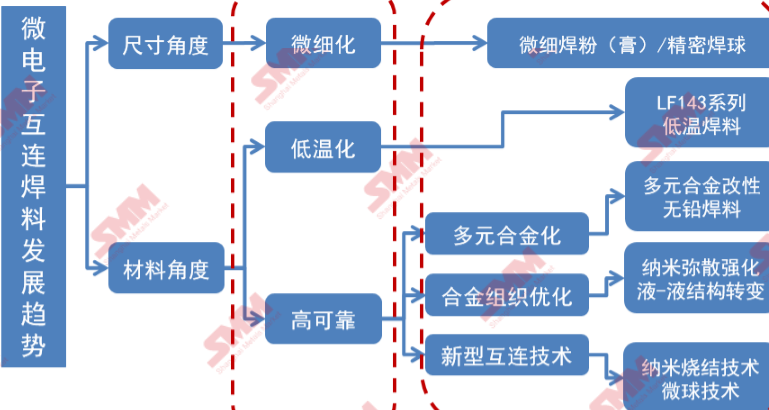
At the 11th Tin Industry chain Trading Summit held by SMM in 2021, an Ning, Deputy General Manager of Beijing Kangpu Xiwei Technology Co., Ltd., introduced the development trend of tin-based electronic interconnection solder technology. This paper mainly analyzes the development trend of tin-based electronic solder, the challenge that miniaturization brings to tin solder, the coping strategy of interconnection material, the development of microelectronic interconnection solder, the coping strategy of interconnection solder and the highly reliable solution.
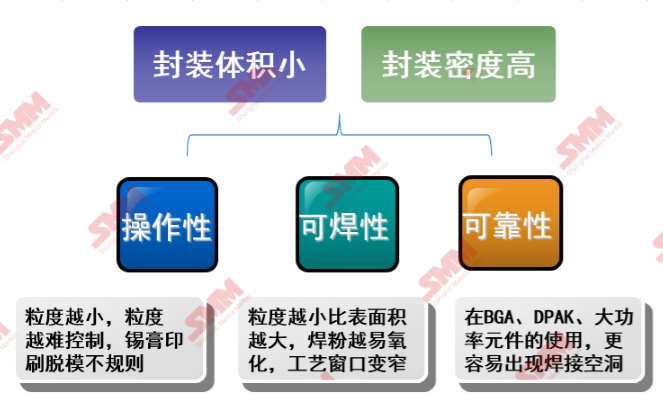
The Challenge of miniaturization to Tin Solder
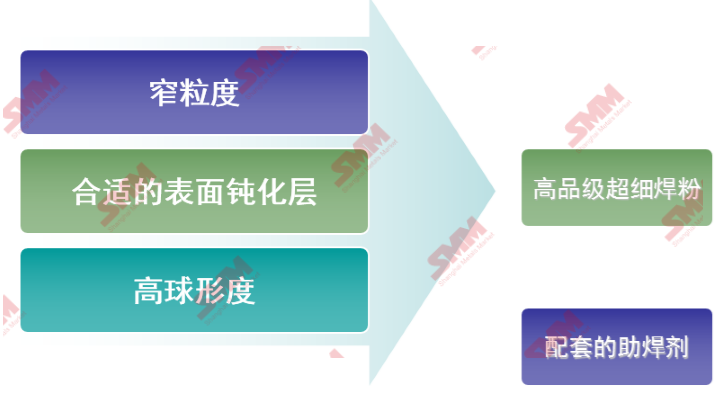
Strategies for interconnecting materials
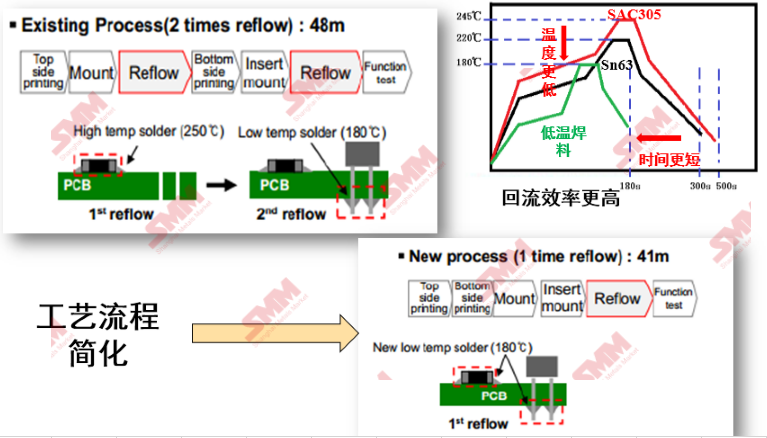
Benefits of using low temperature solder
Highly reliable solution
Nanometer dispersion strengthening
Improve the strength of the solder alloy: the dispersed phase is the hindrance of the dislocation, the second phase particles precipitate on the dislocation hinder the slip and climbing of the dislocation, and the dislocation line needs greater stress to overcome the hindrance to move forward and improve the strength of the solder alloy.
Inhibition of IMC growth: nanoparticles can reduce or restrain the thickening of IMC caused by interfacial reaction and improve the service reliability of solder joints.
Process optimization:
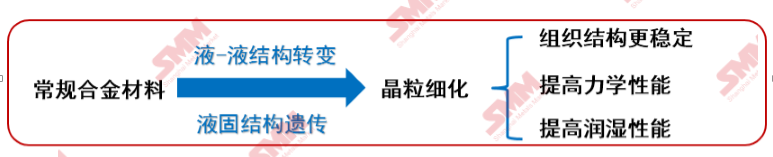
Liquid-liquid structure transition
New interconnection technology
Sintering technology: Silicon carbide has excellent electrical, physical, chemical and mechanical properties, SiC devices can withstand higher power, temperature and voltage, the development and use of power semiconductors based on silicon carbide (SiC) is increasing greatly, and it has great potential in high-density and high-temperature power devices (automotive, aerospace, drilling, radar, etc.). The working environment of SiC devices is harsher than that of Si semiconductors, and its device packaging and interconnection requirements are higher: good electrical conductivity and thermal properties; the coefficient of thermal expansion matches the metal layer on the back of the chip; it is resistant to high temperature and the air atmosphere is stable from 300C to 600C.
Most of the Sn-based lead-free solders have a melting point lower than 300C, which can not meet the interconnection requirements of high temperature devices.
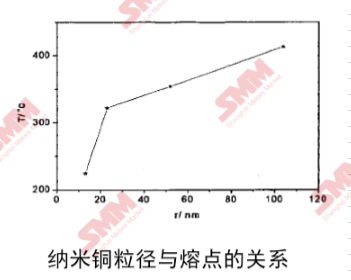
Nano-copper sintering: the sintered nano-copper is similar to bulk copper and is suitable for high-power devices working at high temperature (300-600 ℃). As can be seen below, nano-size, low sintering temperature, meet the requirements of low-temperature packaging and fine spacing; has high thermal conductivity; the characteristics of one-component metal avoid the service reliability of alloy materials under the effect of thermal cycle. Cu-Cu bonding is realized to solve the problem of matching the coefficient of thermal expansion between the chip and the substrate; compared with nano-silver, the cost is reduced.
"all-copper" (All copper) technology is receiving more and more attention and support in the world.
Summary

![SHFE Tin Contract in the Doldrums on the Morning of the 28th, Downstream Enterprises Mainly Following Up on Rigid Demand [SMM Tin Midday Review]](https://imgqn.smm.cn/usercenter/ASfFn20251217171751.jpg)
![[SMM Tin News Flash: A Subsidiary of CATL Officially Began Cooperation Talks with Senior Executives of ZXMOTO]](https://imgqn.smm.cn/usercenter/BBJUa20251217171751.jpg)